Estate Event Participation Tips: Attending Estate Sale Events - A Guide

Navigating the world of estate sales can feel overwhelming at first. These events often mark significant transitions in people's lives, and approaching them with care and understanding is important. Whether you are looking to find meaningful items or simply want to support a family during a home transition, knowing how to participate thoughtfully can make all the difference. Together, let's explore how to approach estate sales with calm, respect, and practical insight.
Understanding Estate Event Participation Tips
Estate sales are unique opportunities to discover treasures and memories. They often involve the sale of a lifetime’s worth of belongings, carefully curated by families or professionals. When we attend these events, it’s essential to keep in mind the emotional context behind them. Here are some tips to help us participate in a way that honors the process:
Arrive with patience and respect: Estate sales can attract many visitors. Lines and waiting times are common. Remember, everyone is there for a reason, and a calm demeanor helps create a positive atmosphere.
Bring cash and small bills: While some sales accept cards, cash is often preferred. Having small bills makes transactions smoother and quicker.
Wear comfortable shoes and clothing: You may be on your feet for a while, moving through different rooms or even outdoors.
Ask questions gently: If you want to know more about an item, approach the staff or family members with kindness. They often appreciate genuine interest.
Be mindful of personal space and belongings: Estate sales can be crowded. Respect the space of others and handle items carefully.
By keeping these points in mind, we can ensure that our participation is both enjoyable and considerate.
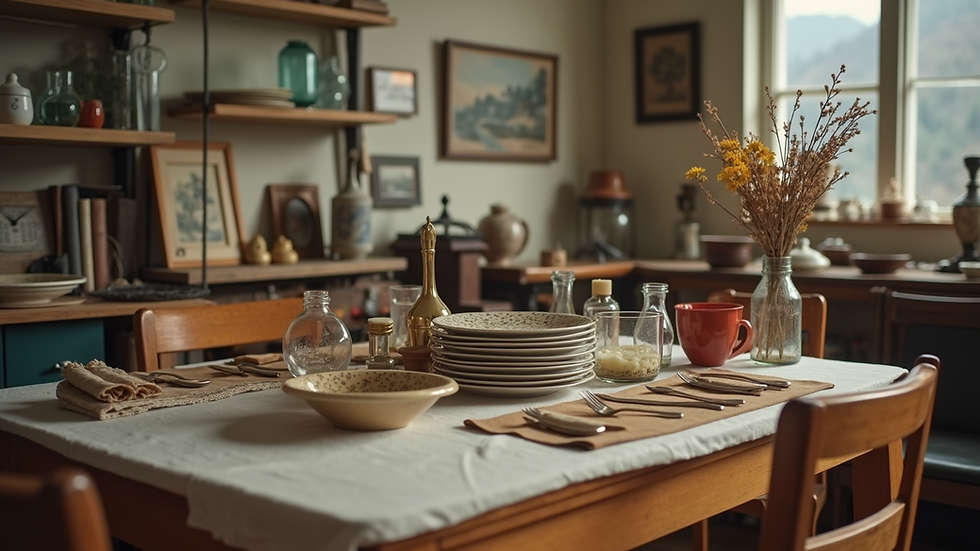
What is the Best Day to Go to an Estate Sale?
Timing can influence the experience and the selection available at an estate sale. Typically, estate sales run over several days, and each day offers different advantages:
First day: This is when the selection is at its fullest. If you are looking for specific or high-value items, arriving early on the first day is best. However, it can be the busiest time, so prepare for crowds.
Second day: The crowd usually thins out, and prices may start to drop slightly. This day offers a balance between selection and a more relaxed environment.
Final day: Often called "half-off day" or "clearance day," this is when prices are reduced significantly to clear out remaining items. If you are patient and flexible, you can find great deals, but the selection will be limited.
Choosing the right day depends on your priorities. If you want the best choice, go early. If you want bargains and don’t mind fewer options, the last day is ideal.
Preparing for the Estate Sale Experience
Preparation is key to making the most of an estate sale. Here are some practical steps we can take before heading out:
Research the sale: Look for listings online or in local newspapers. Many estate sale companies provide detailed descriptions and photos of items.
Make a list: If you have specific items in mind, jot them down. This helps keep your visit focused.
Plan your route: Estate sales can be in unfamiliar neighborhoods. Use GPS or maps to plan your trip and allow extra time for parking.
Bring necessary supplies: Besides cash, consider bringing a tote bag or small cart for carrying purchases.
Set a budget: It’s easy to get carried away. Decide beforehand how much you want to spend.
By preparing thoughtfully, we can approach the sale with confidence and clarity.

How to Navigate the Sale Day
On the day of the sale, our approach can shape the entire experience. Here are some gentle reminders to keep in mind:
Arrive early but be patient: Lines may form before the doors open. Use this time to chat quietly with others or review your list.
Respect the rules: Many sales have specific guidelines about photography, touching items, or payment methods. Following these helps maintain order.
Take your time: Walk through the rooms carefully. Sometimes, hidden gems are tucked away in less obvious places.
Be courteous to staff and family: Remember, this is often a sensitive time for those involved. A smile and kind words go a long way.
Ask about item conditions: If you notice wear or damage, inquire before purchasing. Some items may be priced accordingly.
Negotiate politely: Some sales allow bargaining, especially on the last day. Approach this with respect and understanding.
By moving through the sale with mindfulness, we honor both the items and the people behind them.
After the Sale: Reflecting and Caring for Your Finds
Once the sale is over and we have our new treasures, it’s important to continue the respectful approach:
Handle items with care: Many pieces have sentimental value. Treat them gently as you transport and unpack.
Clean and restore thoughtfully: If you plan to clean or repair items, do so with care to preserve their character.
Share stories if possible: Sometimes, estate sale staff or family members share the history behind items. Keeping these stories alive adds meaning.
Consider donating or passing on items: If you find something you cannot keep, think about donating it to a local charity or passing it to someone who will appreciate it.
This ongoing respect helps maintain the spirit of the estate sale beyond the event itself.
Estate sales are more than just shopping events. They are moments of transition, memory, and connection. By embracing these estate event participation tips, we can approach each sale with empathy and purpose. If you are interested in attending estate sale events, remember that your presence supports families during important times and helps preserve the stories behind each item.
May your next estate sale visit be filled with discovery, respect, and a sense of calm.
Written by Chelsey Jines and the help of Aria AI.



Comments